 US Dollar
 Australian Dollar
 Euro
 CAD

Petrified Woods
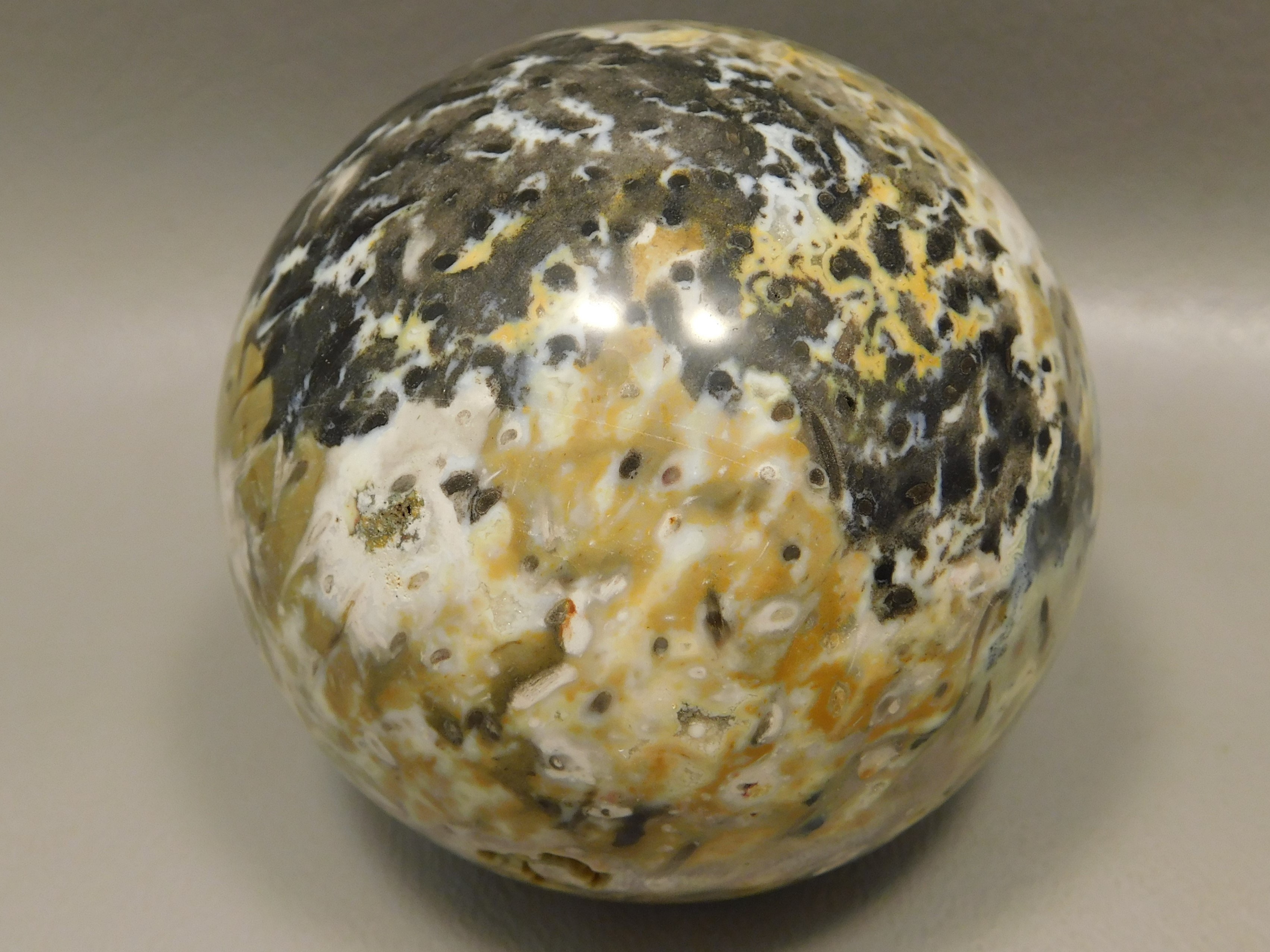
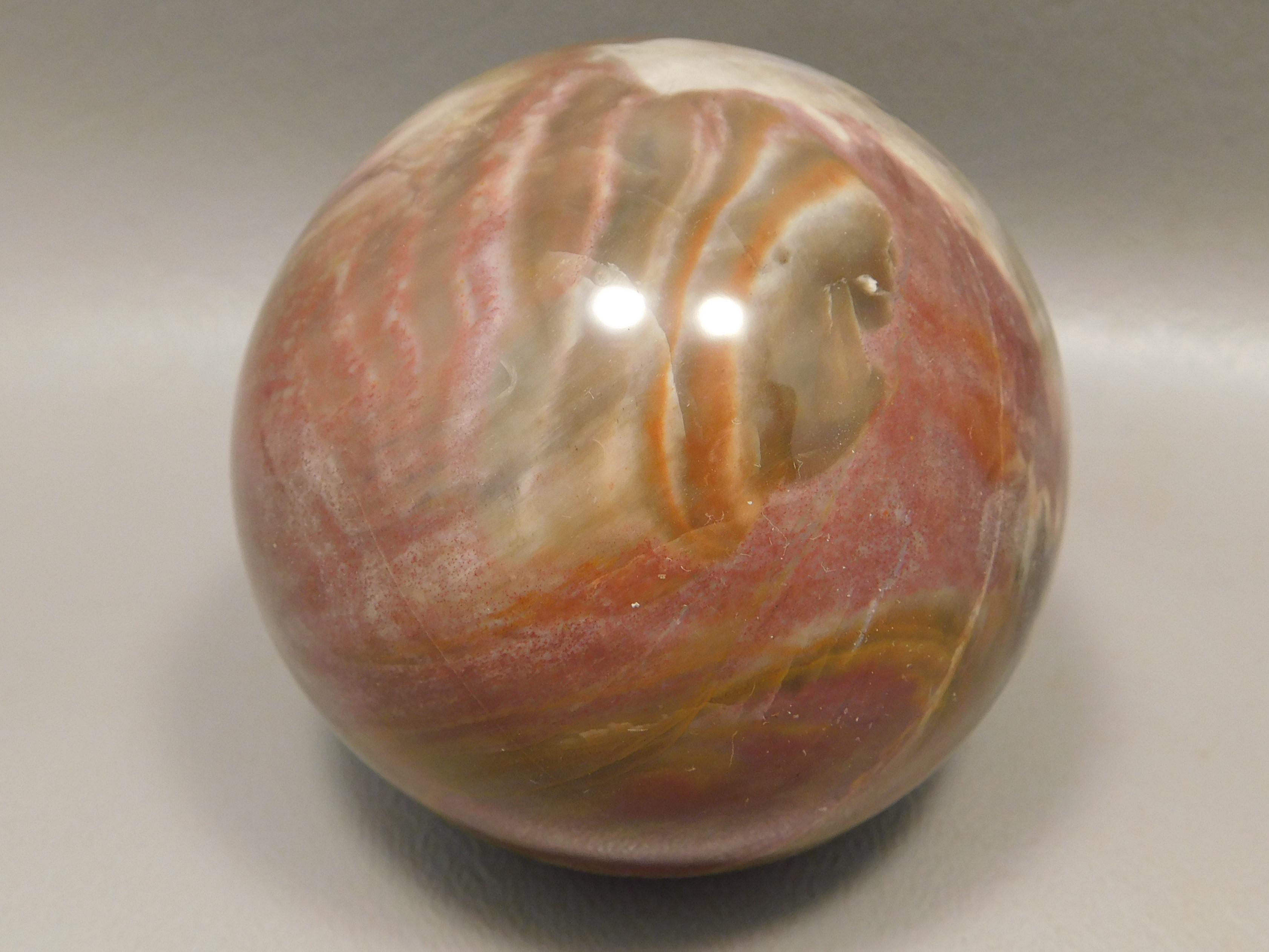
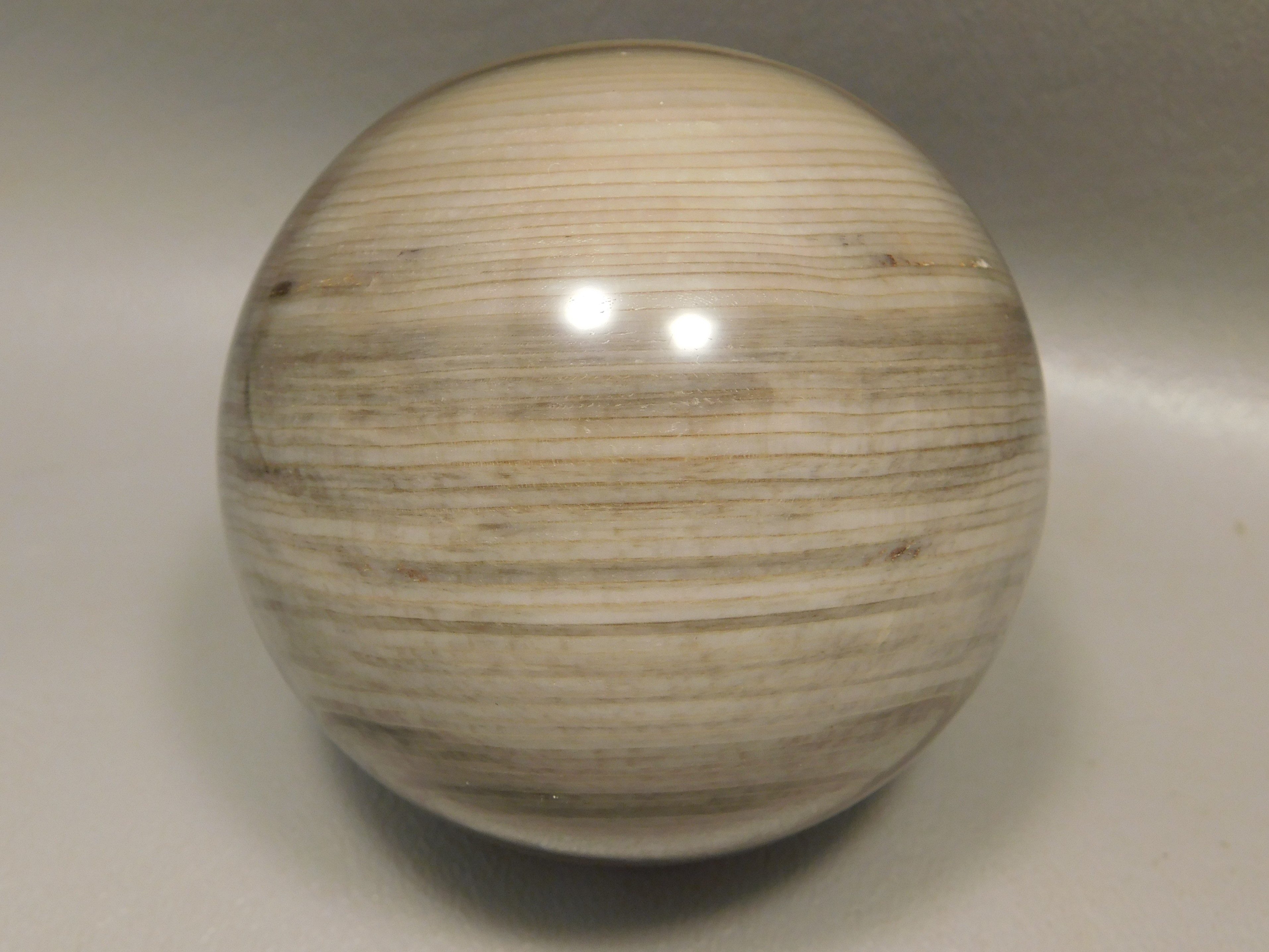
Petrified Wood is also known as fossilized wood.
The name Petrified Wood comes from the Greek root petro meaning "rock" or "stone", so stone wood or wood turned into stone.
It is technically a pseudomorph or chalcedony after wood and more appropriately called “premineralized wood”.
The conditions required in order for a tree or plants to be petrified do not occur often. Only a small percentage of all the trees and plants that have grown upon earth have been petrified. In order to fossilize or petrify, plants or tree trunks were buried under several hundred yards of sediment. Over the course of time the wood was replaced by cryptocrystalline quartz, known as chalcedony (or sometimes opal). During the replacement process by silica carried in underground waters, sometimes even the minutest details of the woody structure were preserved.
If the tree decays and leaves a cavity and then the cavity is filled with silica, the original cell structure or details of the organic material are not preserved. This is called a limb cast. You can learn more about limb cast here.
One reason for the rarity of petrified plants is plants decay quickly. In order for a tree or plant to petrify before decaying it must be buried in an oxygen free environment, possibly in mud, water or volcanic ash or lava. In fact, the vast majority of petrified forests occur near volcanic action.
The colors in petrified wood are due to the minerals present during the process. Red or orange are due to iron, green or blue are caused by copper or cobalt. Black is usually manganese or carbon and yellow may be uranium. You can learn more about the colors of Petrified Wood colors here.
Depending on the silica content in the ground it generally takes millions of years for trees to petrify. But petrification can occur in a short period of time. Timbers in mines have actually petrified, though they usually aren’t completely petrified or petrified in the same way as natural petrified wood.
Though, like everything else, sources of Petrified Wood are getting more scarce, Petrified Woods continue to be found throughout the U.S. But the most colorful and striking primarily come from the western half of the states. Northern Arizona is known for its Petrified Forest National Park. Collecting is prohibited in the park, but there are still commercialized private diggings outside the park boundaries.
In the Yellowstone National Park in Wyoming more than 80 plant species have been found petrified. Usually, the trees found petrified are not the same ones growing in the area today.
You can learn about some well-known Petrified Wood locations here.
Some interesting and/or rare types of Perified Wood include gingko, cycads and ferns.
Another popular type of Petrified Wood is Petrified Palm Wood Root or Palmoxylon. A well-known source is from the Louisiana/Texas border. This gemstone is the fossilized wood of palm trees from the Oligocene Epoch, about 20 to 40 million years ago. The stone contains prominent, rodlike structures within the regular grain of the silicified wood, which form the characteristic spotted look of palm wood. Depending on how the stone is cut, these structures show up as spots, tapering rods or lines. Petrified Palm Wood is very hard and takes an excellent polish, making it a great stone for jewelry.
Teredo Petrified Wood is the state fossil in North Dakota. Teredo Petrified Wood is unique because of the holes made in the original wood by the prehistoric teredo - a worm-shaped mollusk related to modern clams, mussels, and oysters. 60 to 80 million years ago, the teredo was burrowing through trees growing near the edges of warm swamps in North Dakota during the Paleocene Epoch. Though some of these holes are still in the wood, some filled during the fossilization and appear as spots. There is a similar wood known as Peanut Wood, this is petrified wood with marine borer worm holes that filled with a softer white substance. It comes from near Mooka Station in Western Australia.
Metaphysical Properties of Petrified Wood:
Petrified Wood is said to help one identify and overcome limiting emotional patterns handed down from one's ancestors. It is a stone of patience and slow and steady growth.
I have written a whole series of blogs that explore Petrified Wood more in depth.
Check some of them out here:
Petrified Wood and Insect Borings
or see all of them here: My Petrified Wood Blogs
OakRocks is part of Barlow’s LLC, and we have been in the lapidary rock and mineral world for over 40 years!
Recently we acquired the Sam and Ruth Kirkby petrified wood and rock collection.
Sam and Ruth Kirkby spent many years in the late 30’s to the 70’s traveling throughout the west and self-collecting Petrified Wood, thundereggs, agates, jaspers and other rocks.
They founded the Jurupa Mountains Discovery Center in 1964. A center that supported education in rocks, minerals, fossils, and petrified wood. Ruth was a paleobotanist and had several rare plant fossils named after her and she also authored articles for Rocks & Gems magazine.
Read more about Sam and Ruth Kirkby here.
Renowned lapidary artist Bruce Barlow cuts and polishes most of our materials, with some help from some other well-known petrified wood cutters!
We are a great source for a variety of Petrified Wood for sale!